

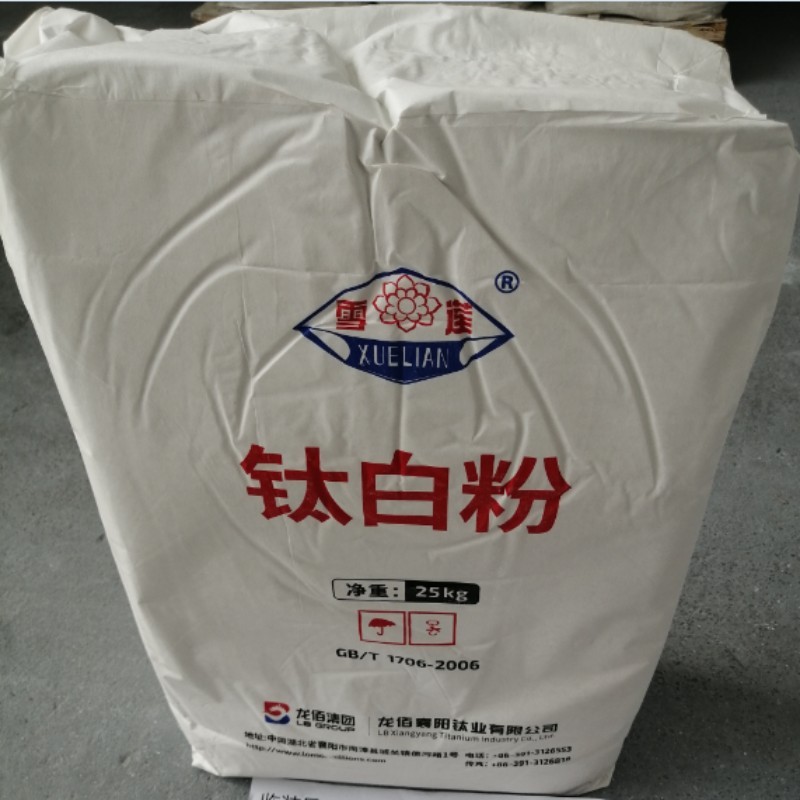
Titanium dioxide is facing weak demand on the consumer side and a malfunctioning price transmission mechanism. The main downstream application of titanium dioxide is architectural coatings, but currently the real estate industry is sluggish and the demand for architectural coatings is insufficient. The fierce competition in the terminal market makes it difficult for coating companies to transfer the cost increase of titanium dioxide to consumers, resulting in difficulty in implementing price increase letters. Despite multiple price increases by the company, insufficient downstream demand has led to a decrease in actual market prices instead of an increase. This indicates that the domestic demand market has weak support, and price increases are more of a "passive response" from suppliers rather than a demand pull.
As the world's largest producer of titanium dioxide, China's export volume of titanium dioxide has declined year-on-year, and international trade barriers have intensified. From January to August 2025, the total export volume of titanium dioxide in China was 1.1901 million tons, a year-on-year decrease of 7.95% (a decrease of approximately 102800 tons). Among them, the export of chloride titanium dioxide decreased by 3.38%, and the export of sulfuric acid titanium dioxide decreased by 8.96%. This decline is partly due to anti-dumping investigations and tariff barriers (such as anti-dumping measures in India, the European Union, and other places) by multiple countries around the world, which have hindered exports of titanium dioxide to China. At the same time, import data also showed weakness (total imports of 50500 tons, a year-on-year decrease of 20.16%), indicating a deterioration in the global trade environment and insufficient external growth momentum for China's titanium dioxide.
While facing difficulties in domestic and foreign trade, the cost pressure on titanium dioxide enterprises continues to increase. The main raw materials for the production of titanium dioxide are titanium ore and sulfuric acid. In recent years, upstream costs have continued to rise due to factors such as environmental policies and rising energy prices. For example, the high price of titanium ore increases the energy and environmental costs in sulfuric acid production. Suppliers attempted to transfer cost pressure through five rounds of price increases, but insufficient downstream demand and market competition resulted in a real decline in market prices. This reflects that cost driven price increases are hindered on the demand side, and the profit margins of enterprises are compressed.
We supply Titanium Dioxide, Iron Oxide, Phthalate Plasticizer, and other chemicals material for coating&paiting and Rubber& plastics.