

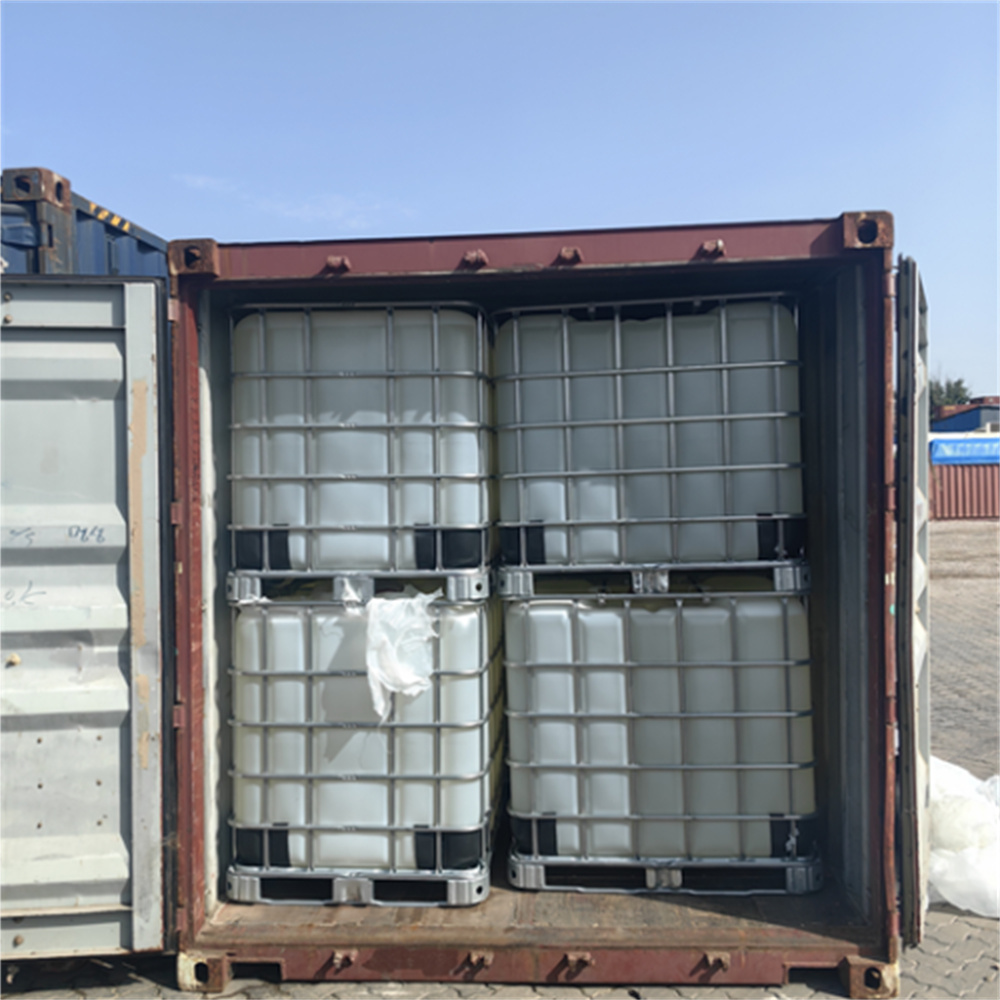
Dioctyl terephthalate (DOTP) is an organic compound with molecular formula C24H38O4. It is a transparent oily liquid, insoluble in water and soluble in general organic solvents [1]. Dioctyl terephthalate is a main plasticizer with excellent performance for polyvinyl chloride (PVC) plastics. Compared with the commonly used diisooctyl phthalate (DOP), it has the advantages of heat resistance, cold resistance, volatile resistance, extraction resistance, softness and good electrical insulation performance, and shows excellent durability, soapy water resistance and low softness in products.
Dioctyl terephthalate (DOTP) is a main plasticizer with excellent performance for polyvinyl chloride (PVC) plastics. Compared with the commonly used diisooctyl phthalate (DOP), it has the advantages of heat resistance, cold resistance, volatile resistance, extraction resistance, softness and good electrical insulation performance, and shows excellent durability, soapy water resistance and low softness in products. Because of its low volatility, the use of DOTP can fully meet the temperature resistance requirements of wires and cables, and can be widely used in 70 ° C resistant cable materials (IEC standard) and other PVC soft products. DOTP can also be used in the production of artificial leather film in addition to a large number of plasticizers for cable materials and PVC. In addition, it has excellent phase solubility and can also be used as plasticizer for acrylonitrile derivatives, polyvinyl butyral, nitrile rubber, nitrocellulose, etc. It can also be used as plasticizer of synthetic rubber, coating additive, precision instrument lubricant, lubricant additive, and also as softener of paper.
Dioctyl terephthalate (DOTP) is a main plasticizer with excellent performance for polyvinyl chloride (PVC) plastics. Compared with the commonly used diisooctyl phthalate (DOP), it has the advantages of heat resistance, cold resistance, volatile resistance, extraction resistance, softness and good electrical insulation performance, and shows excellent durability, soapy water resistance and low softness in products. Because of its low volatility, the use of DOTP can fully meet the temperature resistance requirements of wires and cables, and can be widely used in 70 ° C resistant cable materials (IEC standard) and other PVC soft products. DOTP can also be used in the production of artificial leather film in addition to a large number of plasticizers for cable materials and PVC. In addition, it has excellent phase solubility and can also be used as plasticizer for acrylonitrile derivatives, polyvinyl butyral, nitrile rubber, nitrocellulose, etc. It can also be used as plasticizer of synthetic rubber, coating additive, precision instrument lubricant, lubricant additive, and also as softener of paper.
Firstly, as an important raw material for producing DOTP(Dioctyl terephthalate), the amount of PTA(Pure Terephthalic Acid)directly affects the cost. Normally, the purchase price of PTA fluctuates with changes in market supply and demand. When there is sufficient supply of PTA in the market, the price is relatively low, which will reduce the production cost of DOTP; On the contrary, if PTA supply is tight and prices rise, the production cost of DOTP will correspondingly increase.
Secondly, different production processes can also affect the amount of PTA used. Advanced production processes can reduce the unit consumption of PTA while ensuring product quality, thereby lowering costs. However, more outdated processes may require more PTA to complete the same production tasks, resulting in increased costs.
Furthermore, the production scale will also have an impact on the usage and cost of PTA. Large scale production often achieves economies of scale by purchasing PTA in bulk to obtain more favorable prices, while better controlling the loss of raw materials during the production process and reducing the amount of PTA used per unit product.
In actual production, this impact is mainly reflected in the following aspects:
One is the pricing strategy of the enterprise. If PTA costs increase, DOTP production companies may raise product prices to maintain profits; On the contrary, when costs decrease, market competitiveness may be improved by lowering prices.
The second is the inventory management of the enterprise. In order to cope with the fluctuation of PTA prices, enterprises need to arrange inventory reasonably, increase inventory appropriately when prices are low, and control inventory levels when prices are high.
The third is the investment decision of the enterprise. In the long run, if the control of PTA dosage and cost reduction have great potential, enterprises may invest in improving production processes or expanding production scale.
Fourthly, it has an impact on the cooperative relationships between upstream and downstream enterprises in the industrial chain. For example, DOTP manufacturing companies may establish closer cooperation with PTA suppliers to obtain more stable supply and more favorable prices.
In short, the impact of the amount of PTA required for DOTP production on costs is multifaceted, and companies need to closely monitor market dynamics, optimize production processes and management strategies to cope with this impact and achieve sustainable development.