

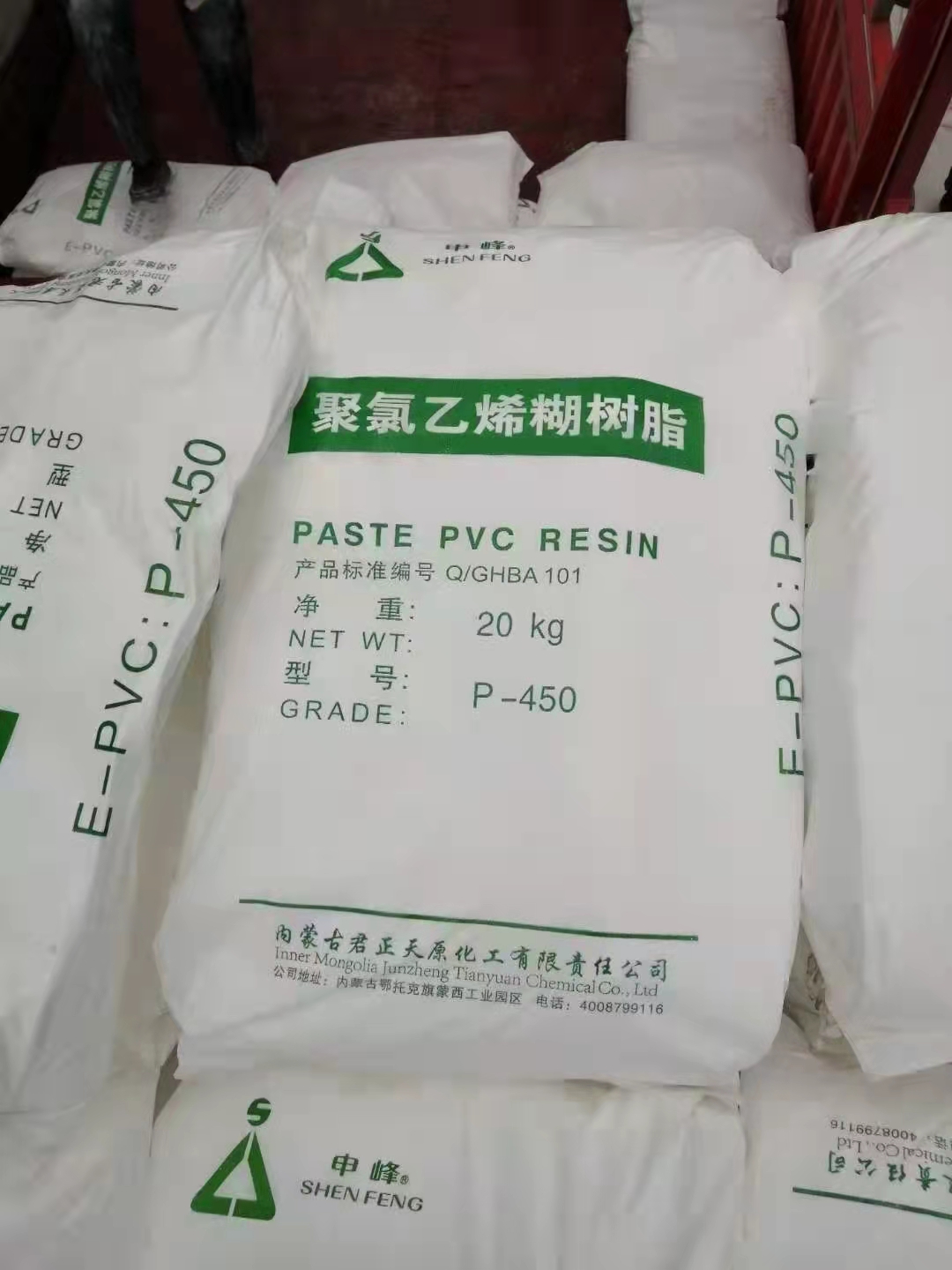
In the first half of 2026, Polyvinyl chloride paste resin continued to decline due to high raw material costs and weak demand during the off-season. The industry's calcium carbide method was profitable and the ethylene method was losing money, effectively offsetting domestic oversupply through exports. In the second half of the year, short-term maintenance combined with export benefits brought about price expectations, but the cost decline suppressed the increase. The addition of new equipment at the end of the year will once again increase supply and inventory pressure.
In the first half of 2026, the PVC paste resin market will experience a trend of first rising and then falling. At the beginning of the year, geopolitical conflicts disrupted the supply chain, causing a significant increase in the price of core raw material vinyl chloride, which in turn drove up the price of paste resin on the cost side; The high priced raw materials compress the profits of enterprises, and the ethylene process equipment is the first to reduce production. Coupled with the shortage of downstream orders such as gloves and toys, the core driving force of the market has shifted from cost to supply and demand. In May, the support for raw materials weakened, coupled with the drag of the traditional off-season, and prices continued to decline. In late June, the market slightly stabilized, but failed to reverse the overall downward trend in the first half of the year.
1、 Overall, the trend of PVC paste resin spot prices shows that in the first half of 2026, the PVC paste resin market will complete a logical transition from cost driven to supply and demand driven.
In the first quarter, the market relied entirely on cost support, and geopolitical conflicts pushed up international raw material costs. Vinyl chloride surged by more than 70% from its low in 2025, significantly increasing the production cost of paste resin. Manufacturers concentrated on raising prices, and in late March, the mainstream price in the Jiangsu market surged to 8100-8700 yuan/ton, with a lower point increase of over 30%. There is a significant differentiation on the supply side, with ethylene based enterprises relying on imported vinyl chloride. Due to the shortage of raw materials, the operating rate has dropped to a minimum of 55%; The raw materials for calcium carbide method are domestically self-sufficient, accounting for over 70% of the production capacity, and the operating rate is stable at around 85%.
In the second quarter, the market shifted towards a supply-demand game, and prices were under pressure and weakened. Since April, downstream purchasing intentions have been sluggish, and spot prices have continued to fall. In May, they fell to a low for the year, and by the end of June, they had slightly stopped falling. The market supply and demand are both weak, coupled with the arrival of the industry's annual maintenance cycle. Enterprises have taken the initiative to reduce burdens and alleviate inventory pressure. As a result, the industry's capacity utilization rate dropped to 68% by the end of June. June to August is a traditional off-season for demand, with weak demand for general bulk materials and glove materials, and downstream factories only maintaining replenishment for essential needs.
In the second quarter, the market shifted towards a supply-demand game, and prices were under pressure and weakened. Since April, downstream purchasing intentions have been sluggish, and spot prices have continued to fall. In May, they fell to a low for the year, and by the end of June, they had slightly stopped falling. The market supply and demand are both weak, coupled with the arrival of the industry's annual maintenance cycle. Enterprises have taken the initiative to reduce burdens and alleviate inventory pressure. As a result, the industry's capacity utilization rate dropped to 68% by the end of June. June to August is a traditional off-season for demand, with weak demand for general bulk materials and glove materials, and downstream factories only maintaining replenishment for essential needs.
2、 Changes in supply of PVC paste resin in the first half of the year
In the first half of 2026, the total production of EPVC in China was 638000 tons, a slight decrease of 0.6% compared to the same period last year, which was 642000 tons. The total supply volume had limited changes, but the structural differences in monthly production were prominent. The industry operated smoothly from January to March, with a monthly output of 105000 to 116000 tons and a capacity utilization rate of 78% to 81%, which is basically the same as the same period in previous years. April became a key turning point in the market, with a year-on-year decrease of 10 percentage points and a month on month decrease of 11 percentage points in production capacity utilization rate. The monthly output of 98000 tons hit the lowest value in the first half of the year, mainly due to the compression of profits for ethylene based enterprises caused by the increase in raw material prices, and the industry's concentration on negative load reduction and maintenance. Starting from May to June, the project will gradually recover, but the capacity utilization rate is still 6 to 8 percentage points lower than the same period last year, indicating a weak recovery.
In the first half of the year, the import market showed a pattern of volume reduction and price increase. The cumulative import volume from January to April decreased by 9% year-on-year, and weak downstream demand was the core cause. The decline in domestic production has not driven the increase in imports. On the one hand, downstream product orders in China have decreased, and raw material consumption has weakened; On the other hand, the geopolitical conflict in the Middle East has dragged down the output of overseas ethylene plants, causing a contraction in the supply of overseas goods. In May, the average import price rose to $1190/ton. The price rise was dominated by overseas production costs and exchange rate fluctuations, not by domestic demand. The source of import goods was highly dependent on Taiwan, China.
3、 Changes in Consumption of PVC Paste Resin in the First Half of the Year
In the first half of 2026, the profits of the PVC paste resin industry chain will be concentrated towards the calcium carbide production end. The root cause of profit differentiation lies in the differences in upstream raw material costs and the weak downstream demand, which leads to poor cost transmission.
The most significant feature of the industry in the first half of 2026 is the widening profit gap between different process routes. The calcium carbide method relies on domestic coal resources, with self-sufficient and controllable calcium carbide raw materials, and is less affected by international market fluctuations. Its profit performance in the first half of the year is stable; The ethylene process is highly dependent on imported VCM, and in the first quarter, international oil prices rose combined with overseas plant production cuts, resulting in a significant surge in vinyl chloride prices, directly eroding the profits of ethylene process enterprises, and most enterprises fell into losses.
The export market performed well in the first half of the year, with a year-on-year increase of 60.77% in May's export volume. The export flow gradually diversified, and Russia remained the largest exporter. From January to April, a total of 20300 tons were exported to Russia, accounting for 39.61% of the total exports; Vietnam's monthly export volume surpassed Russia in May, with 5850 tons shipped that month, accounting for 34.05%, and an average price of $926 per ton. The recovery in local demand for synthetic leather and wallpaper has driven procurement; The supply of overseas facilities is tight in many places, and overseas purchase orders are shifting to domestic ones; Combined with the adjustment of export tax rebate policies in the first half of the year, enterprises concentrated on shipping in the first quarter, resulting in a significant increase in exports. Against the backdrop of sluggish domestic demand and low industry production, exports effectively alleviate the pressure of domestic oversupply.
4、 Changes in Supply and Demand Balance of PVC Paste Resin in the First Half of the Year
In the first half of 2026, the overall supply and demand pattern of PVC paste resin was loose, with only a brief supply gap in March and oversupply in the rest of the months, and the industry continued to face inventory pressure.
The continuous widening of the supply-demand gap from April to May to the stage high point is the core cause of the continuous decline in spot prices. At this stage, the domestic plant production has remained relatively high, downstream purchasing intentions are sluggish, social inventory digestion is slow, supply and demand contradictions have intensified, and the market has opened a sustained downward channel.
In June, the geopolitical conflicts in the Middle East cooled down, and the import and export disturbances caused by geopolitics gradually subsided. The pace of overseas sources of goods and domestic exports returned to normal, and the supply-demand gap continued to narrow from a high level. Market supply pressure eased, and prices formed temporary support at a low level.
5、 Supply and demand gap and price forecast of PVC paste resin in the second half of the year
Judging from the fundamentals of supply and demand, July August or the second half of the year is the only window period where supply and demand are expected to be tight. At this stage, mainstream enterprises are conducting centralized maintenance, and the supply side is expected to shrink; There is room for incremental growth in demand side exports, with India's demand rebounding and increased procurement from Russia and multiple countries. The improvement in export orders is expected to narrow the supply-demand gap, and even lead to short-term supply shortages, driving prices to have upward momentum.
However, the support on the cost side continues to weaken, international crude oil prices have fallen, cross-strait shipping has resumed, vinyl chloride has returned to its normal price, and calcium carbide prices have synchronously declined from high levels. The downward shift of the cost center will limit the room for price increases. Taking into account both bullish and bearish factors, it is predicted that the mainstream operating range for PVC paste resin in the second half of the year will be 6300-7400 yuan/ton.
At the inventory level, the rebound in export demand will drive the overall inventory to be lower in the second half of the year compared to the first half; At the end of the year, new and resumed production facilities will be put into centralized deployment, and market supply will increase again. At that time, inventory may hit bottom and rebound.
However, the support on the cost side continues to weaken, international crude oil prices have fallen, cross-strait shipping has resumed, vinyl chloride has returned to its normal price, and calcium carbide prices have synchronously declined from high levels. The downward shift of the cost center will limit the room for price increases. Taking into account both bullish and bearish factors, it is predicted that the mainstream operating range for PVC paste resin in the second half of the year will be 6300-7400 yuan/ton.
At the inventory level, the rebound in export demand will drive the overall inventory to be lower in the second half of the year compared to the first half; At the end of the year, new and resumed production facilities will be put into centralized deployment, and market supply will increase again. At that time, inventory may hit bottom and rebound.